

About us
A Taste of Our Journey
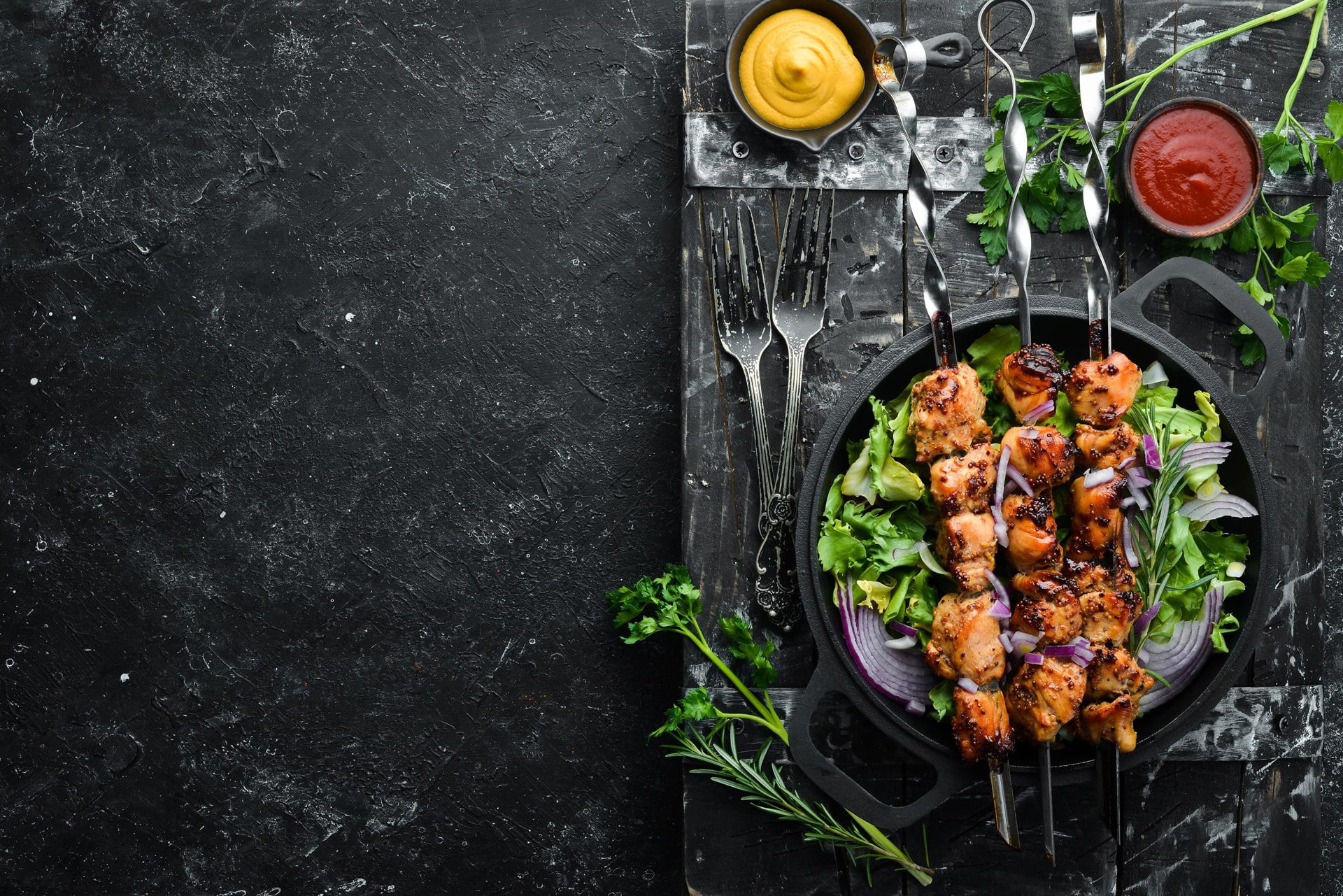
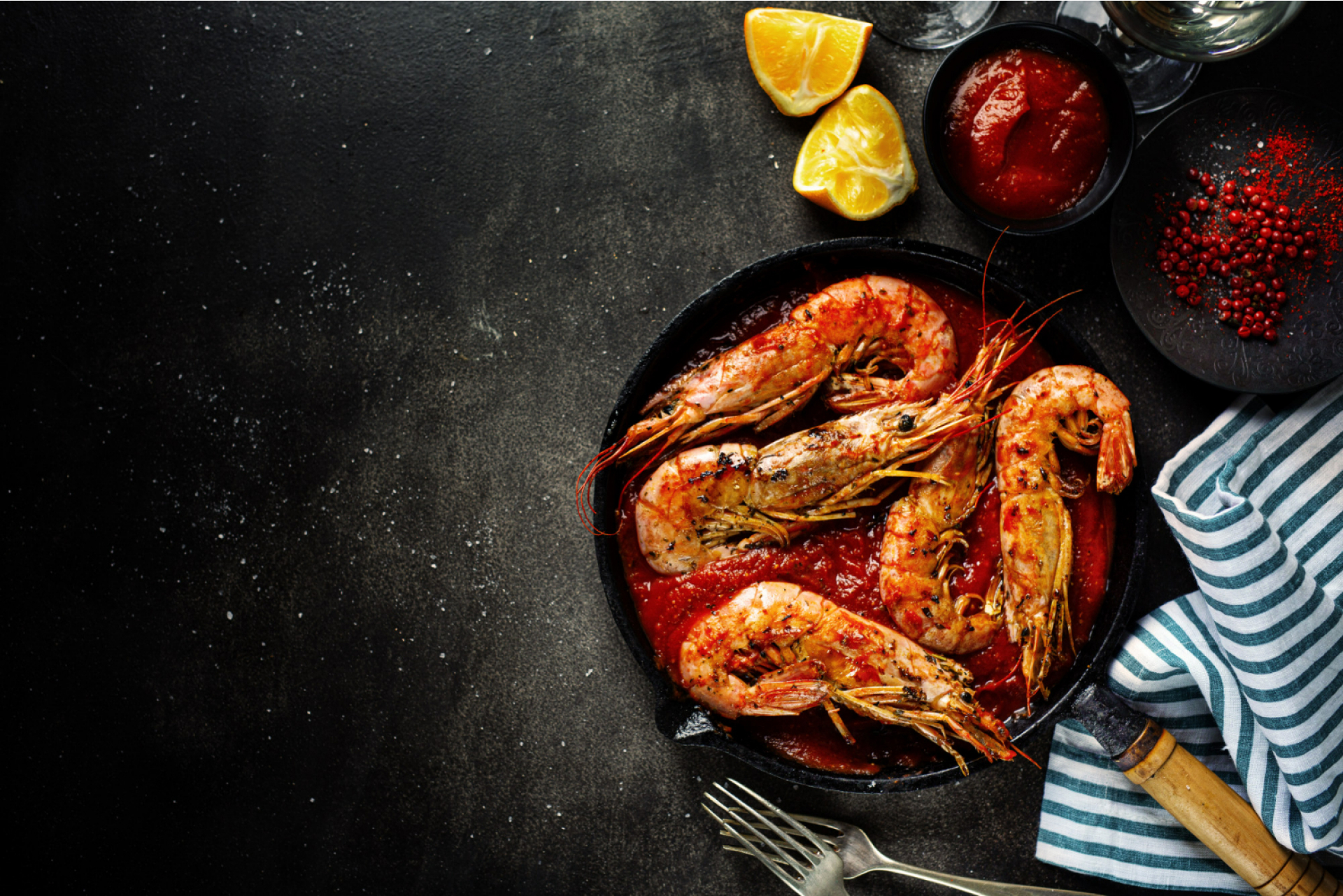
At Tasty Corner, our journey started with a passion for exceptional food and genuine hospitality. What began as a small, charming eatery has blossomed into a beloved local gem. We blend time-honored recipes with creative flair, ensuring every visit is a delightful experience. Join us and taste the heart of our story.
Our Promise
Why people choose us?
Discover What Sets Us Apart

Menu for every taste
A diverse menu to satisfy every craving, offering something delicious for everyone to enjoy.

Always fresh ingredients
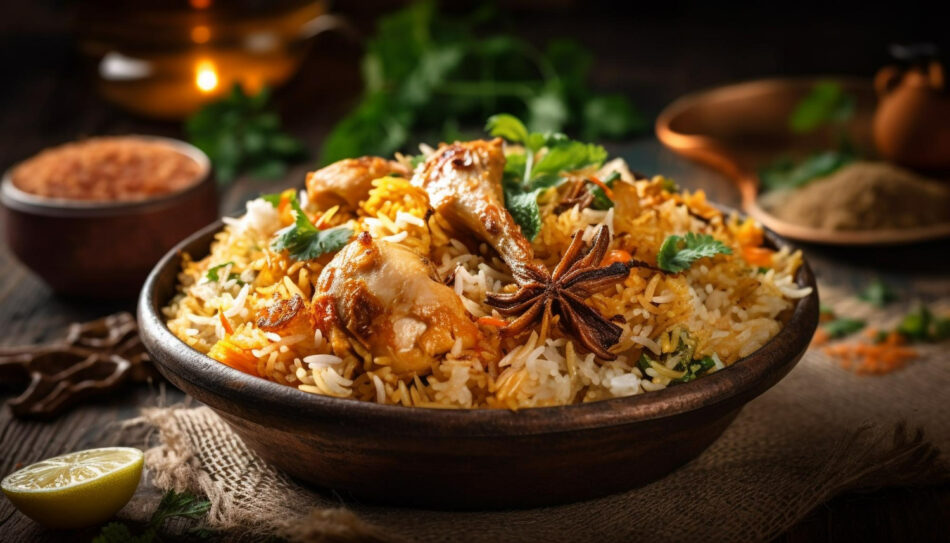
We use only the freshest ingredients to ensure every dish is bursting with flavor and quality.

Experienced chefs
Skilled chefs creating top-quality dishes with expertise and passion.
What We Offer
Our Comprehensive Services
At Tasty Corner, we offer a variety of services to satisfy your culinary needs. Dine in our cozy restaurant, enjoy convenient home delivery, or make your event special with our tailored catering options. Each service ensures the exceptional quality and taste that Tasty Corner is known for.

Join Us at Tasty Corner
Dine-In Experience
At Tasty Corner, we invite you to immerse yourself in a warm and welcoming dining experience. Our restaurant offers a sophisticated ambiance where you can enjoy our carefully crafted menu in a comfortable setting. Whether you're here for a casual meal with friends or a special occasion, our attentive staff and inviting atmosphere ensure that every visit is memorable.

Enjoy Tasty Corner from Home
Home Delivery
Enjoy the flavors of Tasty Corner from the comfort of your home. Our home delivery service brings your favorite dishes right to your doorstep, ensuring that you can savor our delicious offerings anytime, anywhere. We've partnered with top online platforms like Foodpanda and Grab to make ordering easy and convenient, so you never have to miss out on a great meal.
Make Every Event Delicious
Catering Service
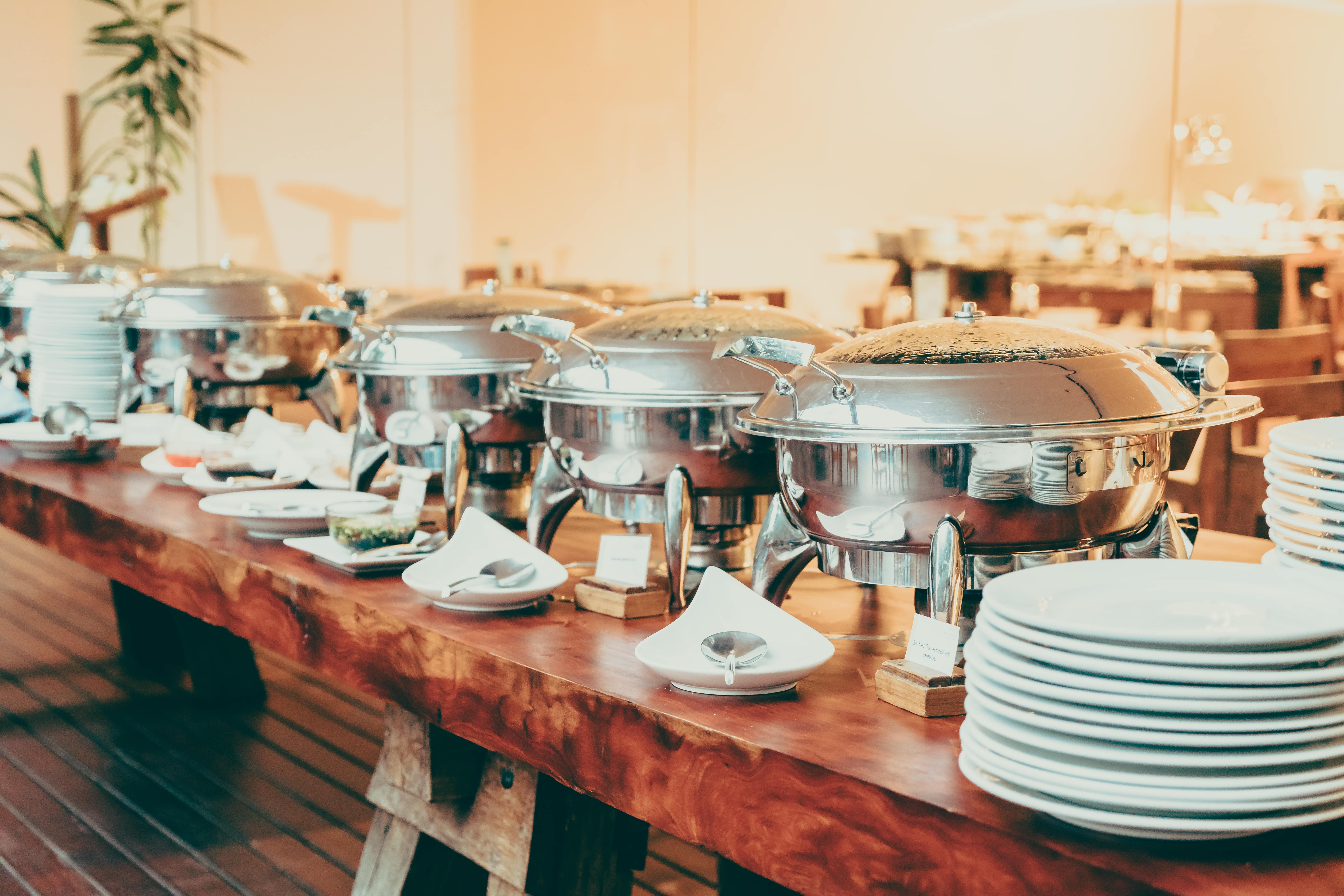
Make your events truly special with Tasty Corner's catering services. Whether you're planning a corporate event, a family gathering, or a celebration, our catering team is here to provide a customized menu that suits your needs. From appetizers to desserts, we ensure that every dish is prepared with the same care and quality that you experience in our restaurant, making your event a culinary success.

About us
Working hours
Check out our working hours to plan your visit or place an order.
We’re here to serve you delicious meals every day.
Tasty Corner
Opening Hours
Monday to Sunday
10
:
00 am
1
:
30 am
Promotions
Tasty weekend
menu awaits!
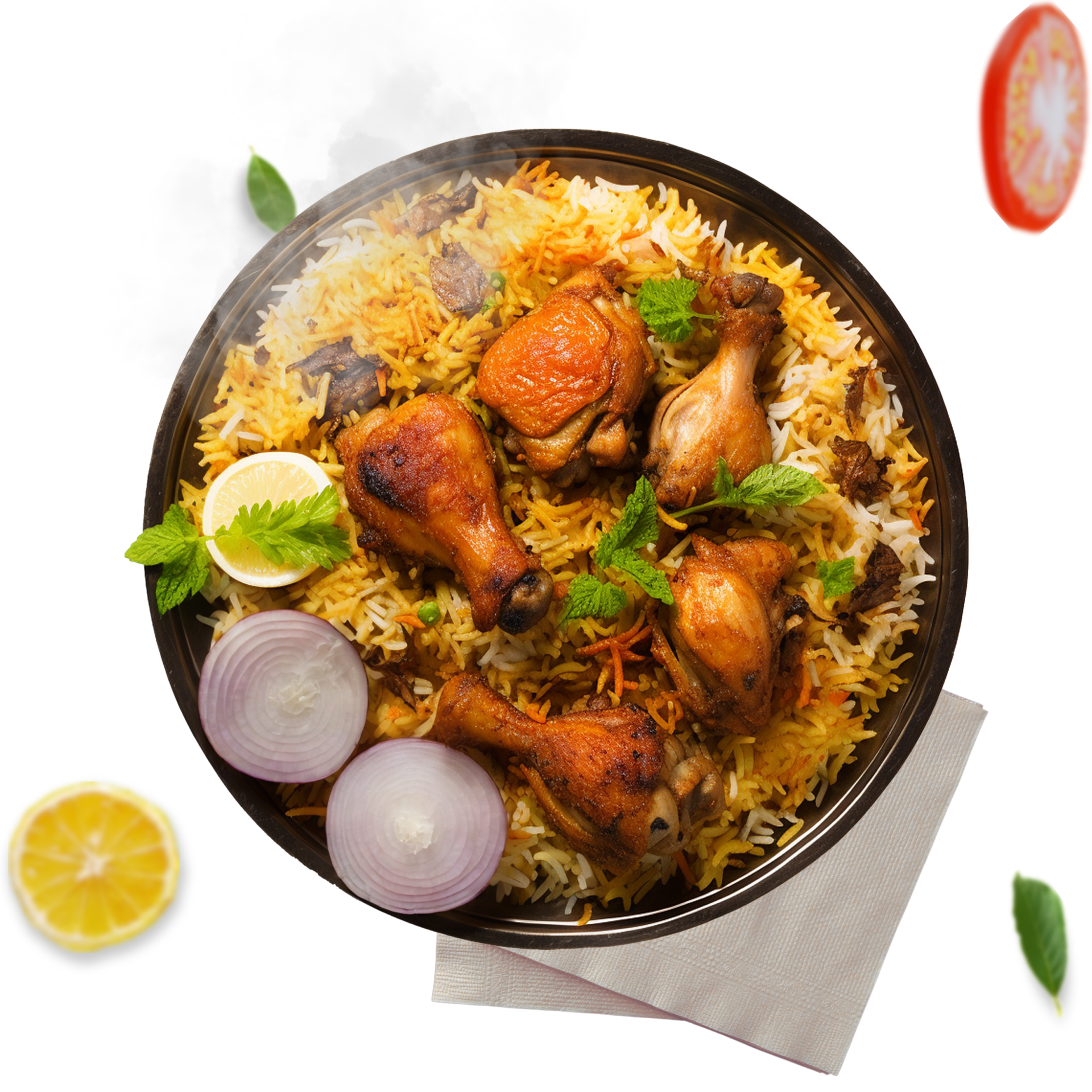
Order any Biryani and enjoy a complimentary drink and dessert! Savor the rich flavors of our biryani, and let us treat you to a free beverage and a delicious dessert on the house.
Newsletter
Stay informed and inspired
Dive into our blog for the latest culinary tips, restaurant news, and behind-the-scenes stories.

Biryani
Mysore Mutton Biryani
2023-02-01
A Flavourful Feast Mysore Mutton Biryani is a rich, aromatic dish that perfectly blends tender,… Read moreRead moreMysore Mutton Biryani

tasty
2023-02-01
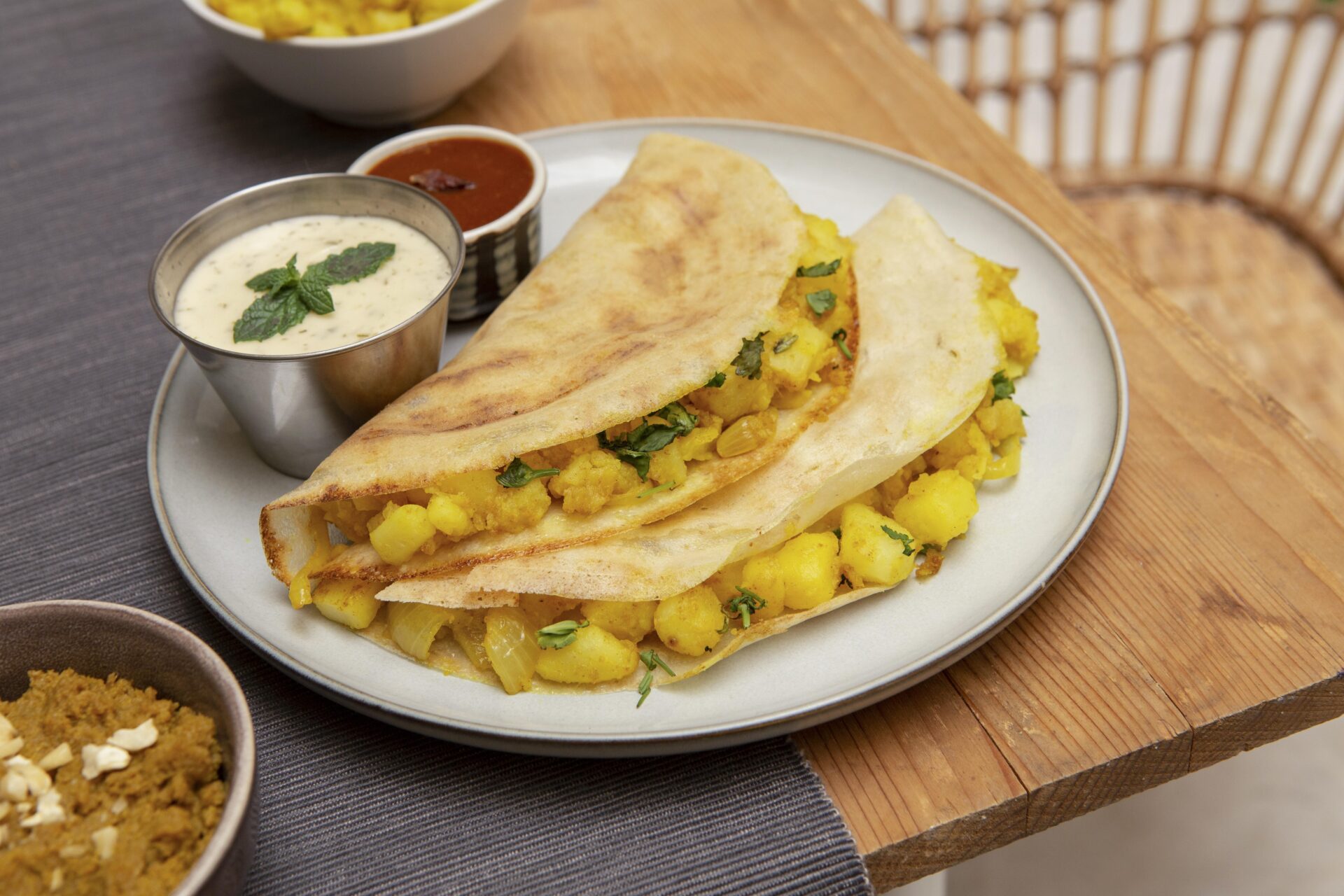
Breakfast
Delicious Dosa Delights
2022-05-01
A South Indian Classic Loved by All Crispy, golden, and irresistibly delicious—Dosa is more than… Read moreRead moreDelicious Dosa Delights
tasty
2022-05-01

Deserts
Magic of Jigarthanda
2021-10-01
If you’re looking to cool down with a drink that’s rich in tradition and flavor,… Read moreRead moreMagic of Jigarthanda
tasty
2021-10-01
Read the news of our restaurant, recipes for delicious fears, tips for your home kitchen in our blog!
All publications

Newsletter
Subscribe to our Newsletter
Get the latest from us—delivered right to your inbox!